Articles / Prevention
Simple Habits That Make You a Harder Target

Identity thieves look for easy opportunities. You don't need to become a security expert to protect yourself. A handful of simple habits can make you a much harder target, pushing criminals to move on to someone else.
Use a password manager
Reusing passwords is one of the biggest risks online. When one site is breached, thieves try the same login everywhere else. A password manager creates and remembers a strong, unique password for every account, so you only need to remember one.
Turn on two-factor authentication
Two-factor authentication adds a second step to logging in, such as a code from an app. Even if someone steals your password, they can't get in without that second factor. Turn it on first for your email, banking, and phone carrier accounts.
Never share verification codes
If someone calls or texts asking you to read back a code sent to your phone, it's a scam. Legitimate companies won't ask for these codes. Sharing one can hand a thief direct access to your accounts.
Shred sensitive documents
Bank statements, medical bills, pre-approved credit offers, and old tax documents can all give thieves what they need. Shred anything with personal information before throwing it away.
Leave your Social Security card at home
There's rarely a reason to carry it. Keep it in a secure place, and only give out your number when it's truly required. It's fine to ask a business why they need it.
Be careful on public Wi-Fi
Avoid logging into banking or sensitive accounts on public Wi-Fi at coffee shops or airports. Use your phone's cellular data or a reputable VPN instead.
Keep your devices updated
Software updates often fix security holes that criminals actively exploit. Turn on automatic updates for your phone, computer, and apps.
Limit what you share online
Your birthday, hometown, pet's name, and school are common security question answers. Think twice before posting them publicly on social media.
Review your accounts regularly
Glance at your bank and credit card activity at least weekly, and check your credit reports a few times a year. Catching fraud early makes it far easier to fix.
Keep reading
-

What to Do in the First 24 Hours After Identity Theft
Fast action stops thieves from opening new accounts. Here are the six steps to take on day one, in order.
-
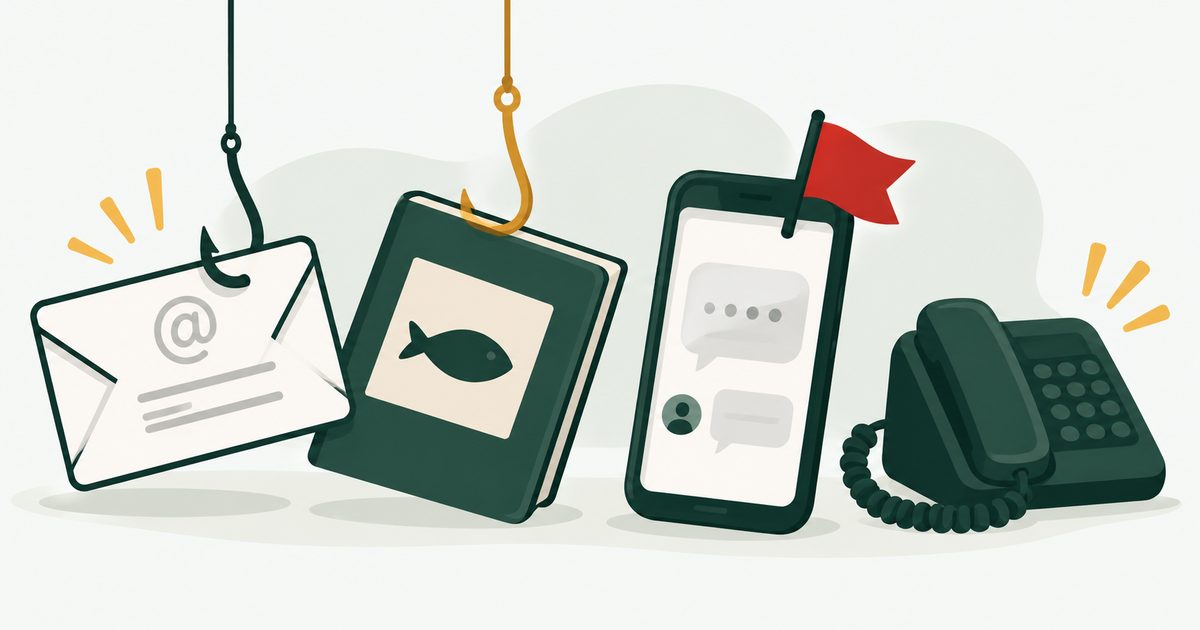
The Most Common Scams Identity Thieves Use Right Now
Phishing, scam texts, fake government calls, and AI voice clones. How each one works and how to protect yourself.
-
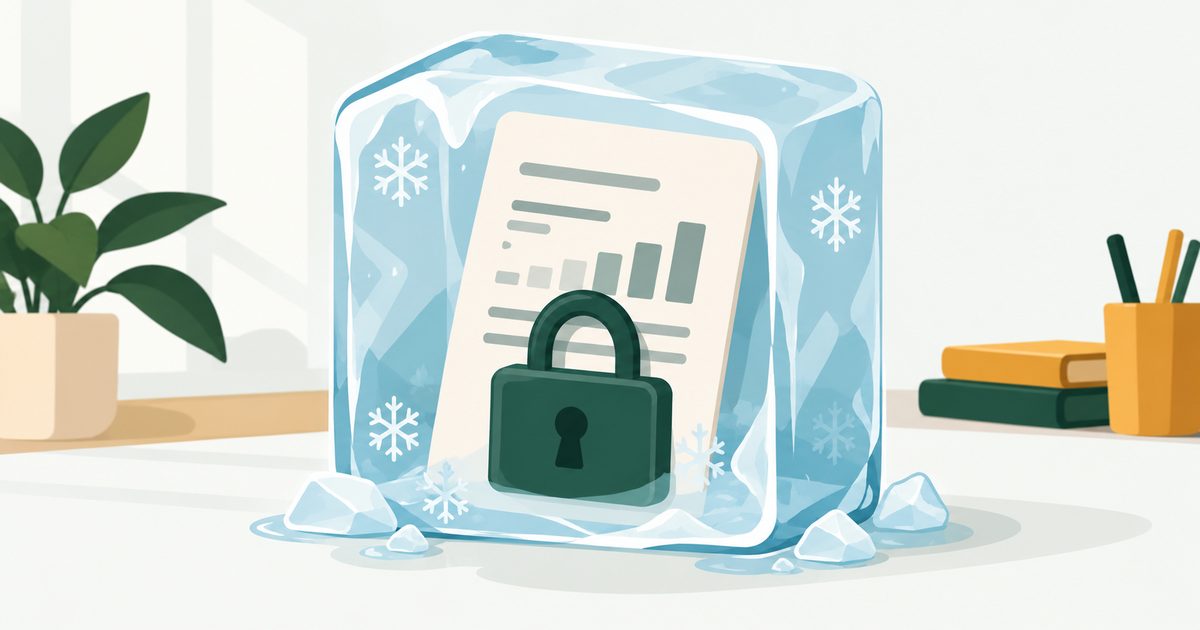
How to Freeze Your Credit (and Why Everyone Should)
A credit freeze is free and stops most new accounts in your name. What it does, how it differs from a fraud alert, and how to set one up.
Fraud Next Steps partners with EverGuard and may be paid when you call or sign up. This article is general information, not legal or financial advice. We are not affiliated with any government agency, bank, or credit bureau.