Articles / Credit
How to Freeze Your Credit (and Why Everyone Should)
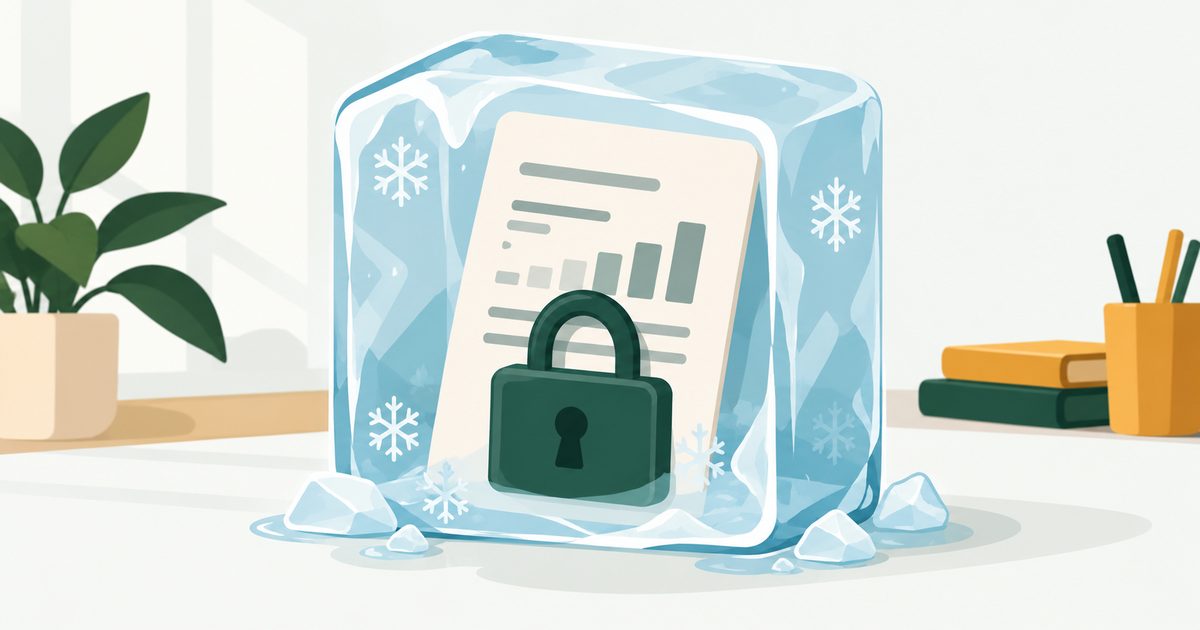
A credit freeze is one of the most effective tools you have against identity theft, and it costs nothing. Yet many people don't use one until after they've already been victimized. Here's what a freeze does, how it differs from other options, and how to set one up.
What a credit freeze does
When you apply for a loan or credit card, the lender checks your credit report. A freeze locks that report so new lenders can't access it. Since most lenders won't approve credit without a report, a thief with your Social Security number can't easily open accounts in your name.
A freeze does not affect your credit score. It doesn't stop you from using your existing cards or accounts, and current creditors can still see your report.
Credit freeze vs. fraud alert
A fraud alert asks lenders to take extra steps to verify your identity before opening an account. It's helpful, but lenders aren't blocked from pulling your report.
A credit freeze blocks access entirely until you lift it. For most people, a freeze offers stronger protection.
How to freeze your credit
Federal law makes freezes free at all three major credit bureaus. You need to place a freeze with each one separately:
- Equifax: equifax.com
- Experian: experian.com
- TransUnion: transunion.com
Each bureau lets you freeze online, by phone, or by mail. Online requests typically take effect quickly. You'll create an account or receive a PIN that you'll use to lift the freeze later, so store it somewhere safe.
Lifting a freeze when you need credit
Applying for a mortgage, car loan, or new credit card? You can temporarily lift the freeze for a set period, or lift it with just one bureau if you know which one the lender uses. When you request it online or by phone, the bureau must lift it within an hour. Then the freeze returns automatically or when you turn it back on.
Who should freeze their credit?
Honestly, almost everyone. If you aren't planning to apply for new credit soon, there's little downside. It's especially important if your information was exposed in a data breach, you've lost your wallet, or you've already seen signs of fraud.
Keep reading
-

What to Do in the First 24 Hours After Identity Theft
Fast action stops thieves from opening new accounts. Here are the six steps to take on day one, in order.
-

The Most Common Scams Identity Thieves Use Right Now
Phishing, scam texts, fake government calls, and AI voice clones. How each one works and how to protect yourself.
-
Identity Theft Protection Services: Are They Worth It?
What protection services actually do, what you can do yourself for free, and how to decide whether paying makes sense.
Fraud Next Steps partners with EverGuard and may be paid when you call or sign up. This article is general information, not legal or financial advice. We are not affiliated with any government agency, bank, or credit bureau.