Articles / Scams
The Most Common Scams Identity Thieves Use Right Now
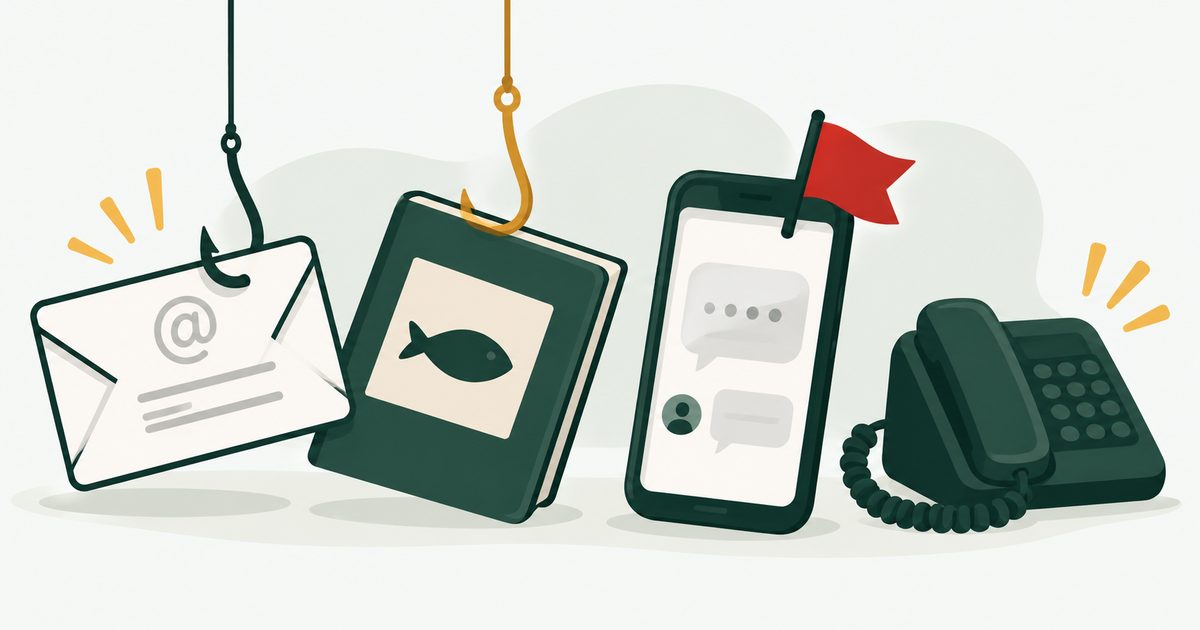
Identity thieves rarely break in through technical wizardry. Most of the time, they simply trick people into handing over their information. Scams evolve constantly, but the core tactics stay the same: create urgency, pretend to be someone trustworthy, and get you to act before you think.
Here are the scams we see most often today.
Phishing emails
These emails look like they come from your bank, a streaming service, or a well-known retailer. They warn of a problem with your account and urge you to click a link and log in. The link leads to a fake site that captures your username and password.
How to protect yourself: Never log in through an email link. Go directly to the company's website or app instead.
Text message scams (smishing)
Scam texts often claim a package couldn't be delivered, a toll is unpaid, or your bank account has been locked. Because texts feel personal and immediate, people tend to respond quickly.
How to protect yourself: Don't tap links in unexpected texts. Delete them, and contact the company directly if you're unsure.
Phone impersonation
Callers may pose as the IRS, Social Security Administration, your bank's fraud department, or tech support. They may threaten arrest, account closure, or say your computer is infected. Caller ID can be faked to look legitimate.
How to protect yourself: Hang up and call back using a number you find yourself. Government agencies won't demand immediate payment by gift card, wire transfer, or cryptocurrency.
AI voice-cloning "emergency" calls
Scammers can now use short audio clips from social media to imitate a loved one's voice. You might get a frantic call from someone who sounds like your child or grandchild, claiming they're in trouble and need money right away.
How to protect yourself: Agree on a family code word. If you get an urgent call, hang up and call your family member directly.
Fake job offers and online marketplace scams
Fake employers may ask for your Social Security number and bank details for "onboarding" before you've ever interviewed. On marketplaces, scammers may send fake payment confirmations or ask for verification codes.
How to protect yourself: Never share a verification code sent to your phone. Research employers independently before sharing personal information.
The common thread
Every one of these scams relies on pressure. If a message pushes you to act immediately, that's your cue to slow down.
Keep reading
-

What to Do in the First 24 Hours After Identity Theft
Fast action stops thieves from opening new accounts. Here are the six steps to take on day one, in order.
-
How to Freeze Your Credit (and Why Everyone Should)
A credit freeze is free and stops most new accounts in your name. What it does, how it differs from a fraud alert, and how to set one up.
-
Identity Theft Protection Services: Are They Worth It?
What protection services actually do, what you can do yourself for free, and how to decide whether paying makes sense.
Fraud Next Steps partners with EverGuard and may be paid when you call or sign up. This article is general information, not legal or financial advice. We are not affiliated with any government agency, bank, or credit bureau.